Why Am I More Swollen in the Summer?
Understanding Your Lymphatic System in the Heat
If you’ve noticed that your rings feel tighter, your ankles look puffier, your legs feel heavier, or your body simply feels more “full” during the summer months—you’re not imagining it.
August brings hot days, vacations, long car rides, patio meals, travel, and changes to our usual routines. And all of these can influence how fluid moves through the body.
At Lymph Connection, this is one of the most common conversations we have with patients during the warmer months.

Why does heat make us swell?
When we’re exposed to heat, our blood vessels naturally widen—a process called vasodilation. This helps the body release heat and regulate temperature.
But when blood vessels dilate, more fluid can move from the bloodstream into the surrounding tissues.
Normally, your lymphatic system helps collect this excess fluid and return it to circulation. However, when fluid production temporarily increases, the lymphatic system has more work to do.
For many people, that can mean:
Puffy feet and ankles
Heavy or tired legs
Swollen fingers
Increased tightness around clothing or jewelry
A feeling of fullness or bloating
More noticeable swelling around areas affected by surgery or lymphatic impairment
For someone living with lymphedema or an already compromised lymphatic system, summer heat can make these changes considerably more noticeable.
Your lymphatic system loves movement
Unlike your heart, your lymphatic system doesn’t have one central pump continuously pushing lymph throughout the body.
It relies heavily on things such as muscle contractions, breathing, movement and changes in pressure to support lymphatic flow.
That’s why sitting for several hours on the way to the cottage, spending a day travelling, or simply moving less because it’s incredibly hot outside can leave you feeling heavier.
Even small amounts of movement matter.
Walking, gentle stretching, ankle pumps, swimming and diaphragmatic breathing can all encourage normal fluid movement.
A simple August habit
If you’re sitting for long periods, periodically move your ankles up and down, take a short walk when possible, and spend a few minutes taking slow breaths into your abdomen.
Your lymphatic system doesn’t always need an intense workout.
Sometimes it simply needs movement.

Hydration matters—but it’s not about “flushing toxins”
One of the biggest misconceptions surrounding lymphatic health is that we need to aggressively “detox” or flush the lymphatic system.
Your body already has sophisticated systems responsible for processing and eliminating metabolic waste.
Hydration supports normal physiological function, including circulation and fluid balance, but drinking excessive amounts of water isn’t going to magically cleanse your lymphatic system.
Instead, focus on consistent hydration throughout the day, particularly when you’re spending time outside, exercising or travelling.
Summer travel can be another trigger
Road trips and flights often combine several things that can contribute to swelling:
prolonged sitting + heat + changes in routine + restaurant foods + less movement.
If you already experience swelling or have been diagnosed with lymphedema, your healthcare provider may also have specific recommendations regarding compression during travel.
The goal isn’t to stop travelling.
It’s to understand your body well enough that you can support it while you do.
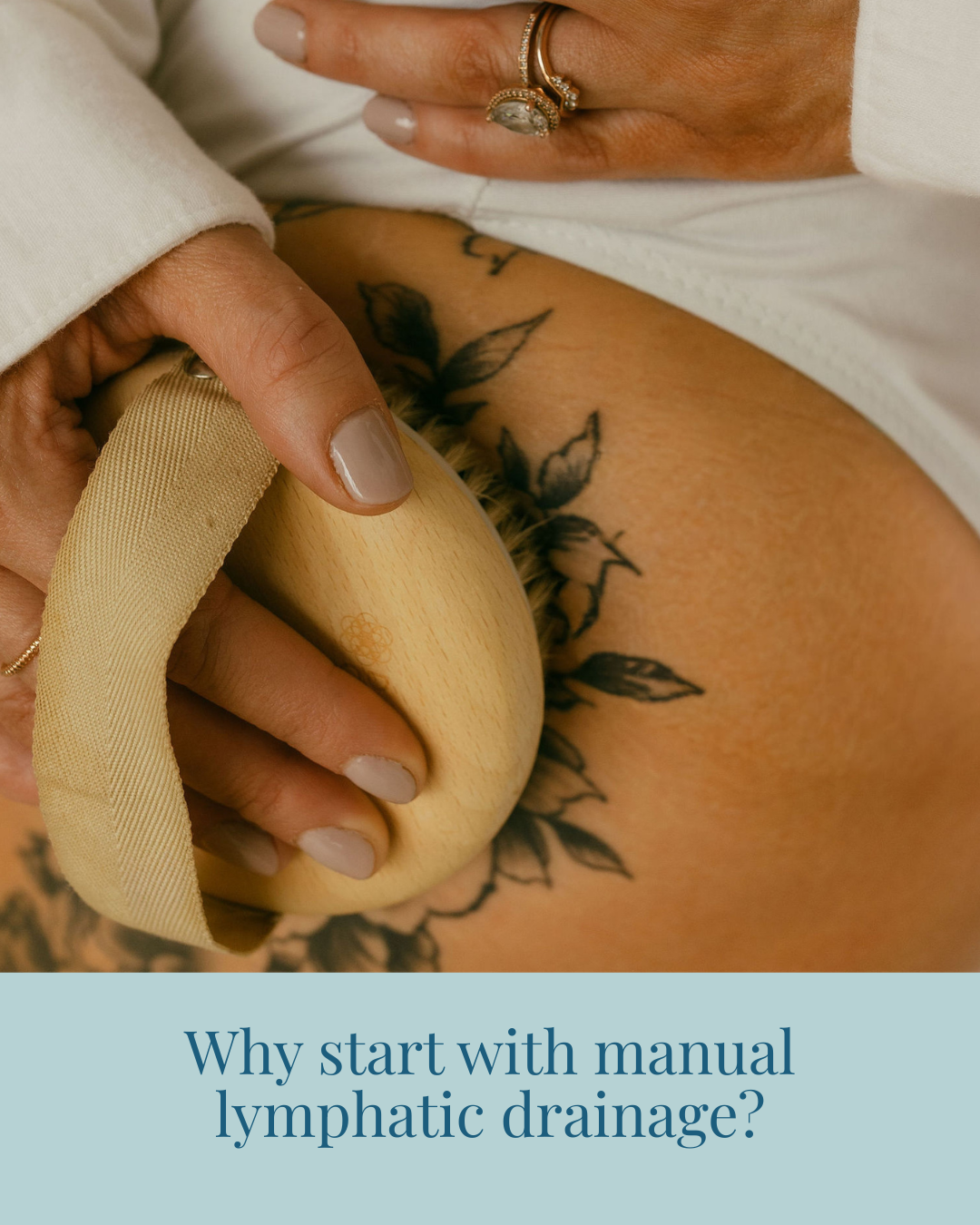
Where does Manual Lymphatic Drainage fit in?
Manual Lymphatic Drainage (MLD) is a specialized, gentle technique designed to support lymphatic fluid movement.
It isn’t a deep-tissue massage, and more pressure does not mean better lymphatic drainage.
For appropriate patients, MLD may be incorporated into a broader treatment plan alongside movement, compression when indicated, skin care, exercise, and education.
At Lymph Connection, we also believe one of the most valuable parts of treatment is helping patients understand why their bodies are responding the way they are.
Because lymphatic care shouldn’t only happen on the treatment table.
Five ways to support your lymphatic system this August
Keep moving.
Walking, swimming and gentle exercise provide natural muscle-pump activity.Break up long periods of sitting.
Especially during road trips, flights and long summer days spent travelling.Stay consistently hydrated.
Increase your awareness of hydration during hot weather and activity.Pay attention to your body’s patterns.
Notice whether heat, travel, prolonged standing, or certain activities consistently increase your swelling.Follow your individualized treatment plan.
If you have lymphedema, have had lymph nodes removed or treated, or have another condition affecting fluid balance, generalized wellness advice isn’t a replacement for individualized clinical care.
When swelling deserves medical attention
Not every swollen ankle is simply “your lymphatics.”
New, unexplained, or rapidly increasing swelling—particularly swelling affecting only one limb—should be medically assessed. Sudden swelling accompanied by redness, warmth, significant pain, chest pain or shortness of breath requires prompt medical attention.
Understanding your lymphatic system also means knowing when something isn’t normal for you.
Enjoy summer. Your lymphatic system can come too.
You don’t need to spend August afraid of heat, travel, patios, or enjoying your summer.
You simply need to understand that your body may require a little more support during warmer weather.
Move.
Hydrate.
Breathe.
Pay attention to changes.
And when your body is telling you something, listen.
Your lymphatic system is working quietly for you every single day—and we’re here to help you understand it.
Lymph Connection | Clinical lymphatic care, education & support
This article is intended for educational purposes and does not replace individualized medical assessment or treatment.